
Chevron and the Western States Petroleum Association lead top spending on lobbying
Sacramento, Calif. — As they made huge profits in the second quarter of 2026, oil and gas corporations spent $6.7 million on California state lobbying and influence, totalling $17.1 million in the first half of the year. Oil and gas giant Chevron led with the highest spending, pouring over $2.5 million into lobbying efforts in the second quarter. The Western States Petroleum Association (WSPA), the powerful oil industry trade group, trailed closely behind with $2.3 million.
Top 5 lobbying and influence spenders of Q2:
| Company/Trade Association | Amount |
| Chevron | $2,550,280 |
| Western States Petroleum Assn (WSPA) | $2,280,267 |
| Phillips 66 | $379,401 |
| California Resources Corp (CRC) | $230,417 |
| Marathon Petroleum | $189,712 |
Chevron, California Resources Corporation, Marathon, Valero, and WSPA all lobbied against SB 1245, the California Fuel Affordability and Stability Act, which would lower gas prices at the pump and boost transparency in oil markets, while stabilizing California’s gasoline supply. Similarly, Marathon, Valero, CRC, WSPA, and Chevron all fought to kill SB 1259, the Refinery Transparency Act, that would require refineries to disclose estimated costs and timelines for closure and remediation.
Bills impacting refinery workers were also severely influenced by the oil industry. AB 605, the Refinery Closure Safe Staffing Act, and AB 2157, the Displaced Oil and Gas Workers Fund bill, both saw lobbying from Chevron, Valero, and WSPA.
SB 982, which would have allowed the Attorney General to sue fossil fuel companies to recover climate-disaster costs, was killed following lobbying from several oil corporations, including Valero, Marathon, CIPA, CRC, Exxon, Chevron, and WSPA among others. SB 982 drew lobbying from more oil and gas entities than any other bill in Q2 of 2026.
As California’s transportation fuels transition, refinery closures, and affordability remain a priority issue for lawmakers in Sacramento, advocates continue to stress the importance of climate policies the oil industry is trying to kill.
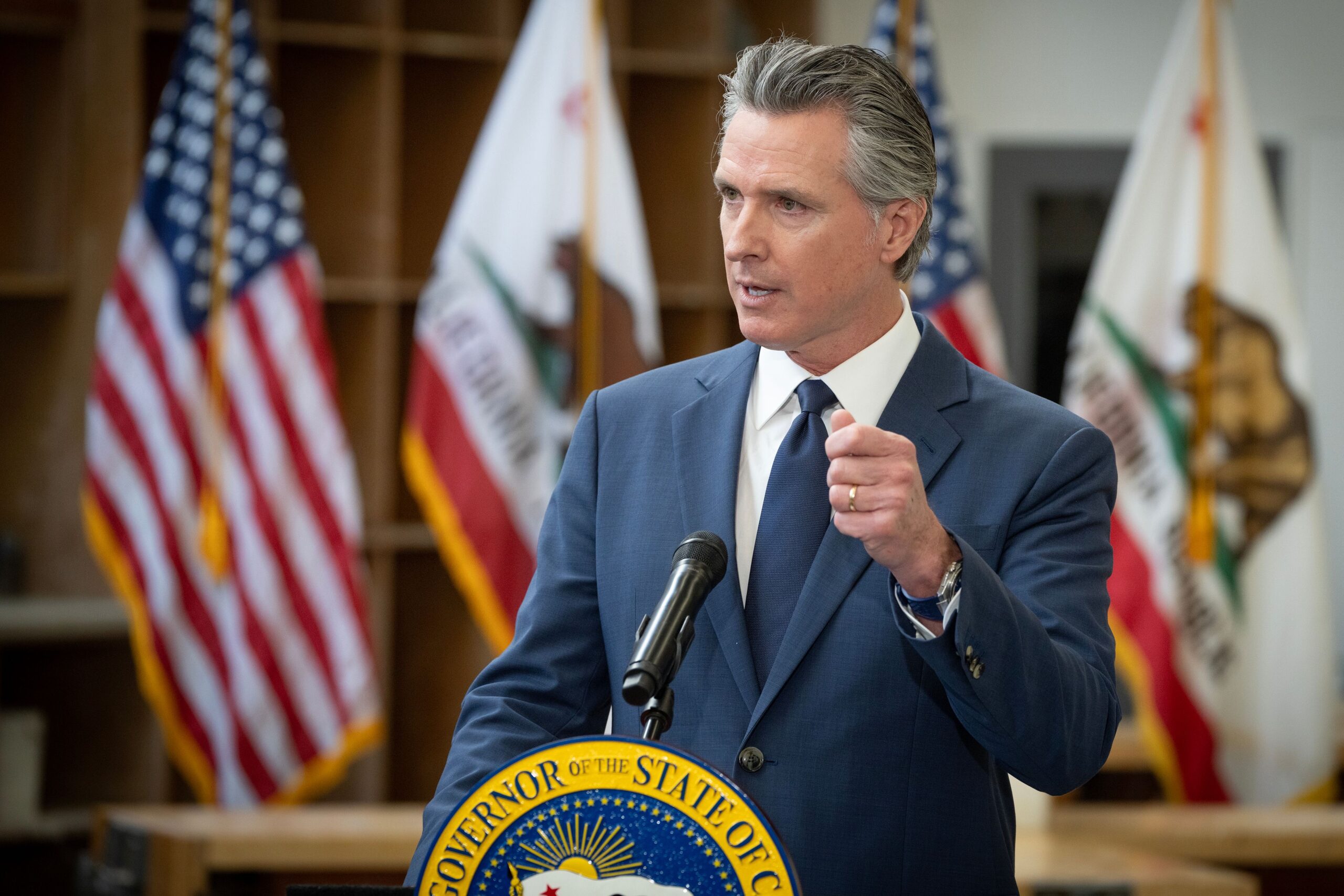
“With millions to spend year after year on lobbying and misinformation campaigns, it’s obvious that companies like Chevron don’t need any more state-funded handouts,” said Woody Hastings, Phase Out Polluting Fuels Director for The Climate Center. “It’s critical that Governor Newsom and the legislature stop giving billions to polluters through the Cap and Invest program. It’s time to hold polluting corporations accountable and invest in clean transit, clean air, and a healthy California.”
Other payments went to front groups, including Californians for Energy Independence, which received $1.2 million from Chevron (and nearly $3 million for the year), and firms like DDC Public Affairs, The Axis Agency, and Unearth Campaigns LLC.
The massive lobbying spending comes as oil companies announce their second-quarter profits, with Chevron making over $12 billion — a nominal, all-time quarterly record, and five times its 2025 Q2 profits — and Valero making $3.7 billion, more than five times its 2025 Q2 profits. ExxonMobil earned more than both Chevron and Valero in Q2, reporting a $14.5 billion profit, more than double its Q2 profits from the previous year. Q2 profits follow the ongoing war on Iran, which has driven months-long price spikes at the pump. Name brand gas stations like Chevron have been named by the Division of Petroleum Market Oversight for overcharging at the pump for the same gasoline sold at unbranded stations. Average gasoline prices in California topped $6 per gallon in May.
“Chevron isn’t spending $2.5 million fighting affordability bills because the oil industry is broke — they are spending millions because they’re scared of accountability and transparency,” said Faraz Rizvi, Policy and Campaign Manager with the Asian Pacific Environmental Network (APEN). “While our communities breathe toxic pollution from their refineries and pay sky-high prices at the pump, Chevron just posted a $12 billion quarter — five times what they made a year ago. That’s not a coincidence, it’s their business model: gouge us at the pump, kill the bills that hold them accountable, and pocket record profits while our neighbors get sick. Sacramento needs to see this for what it is.”
Additional information on Q2 lobbying activity is available upon request.
###
Methodology: This report analyzes raw data from the California Secretary of State’s Political Reform Division as of Aug. 3, 2026. The analysis includes the lobbyist employers in the “oil and gas” category for the 2025-26 legislative session. The state’s definition of oil and gas lobbyist employers includes, in addition to traditional oil and gas firms, firms that advocate for biomass energy, compressed natural gas, and/or carbon removal. This press release’s numbers match the totals listed by the Secretary of State; however, Clean Energy and Kinder Morgan appear to have understated their Q2 spending, listing lobbying payments but reporting grand total spending at $0.
BAKERSFIELD
We acknowledge that Bakersfield is the traditional home of the Kitanemuk people of the Tejon Tribe. Part of our commitment to decolonizing ourselves, our language, and our organizations is a commitment to learning and better understanding the history of Indigenous Peoples of so-called California, including the history of contact, colonization and the extraction of resources from Indigenous lands which has been part of the continuation of modern colonization.
LOS ANGELES
We acknowledge that Los Angeles County is the traditional home of the Tongva, Chumash, and Tataviam people. Part of our commitment to decolonizing ourselves, our language, and our organizations is a commitment to learning and better understanding the history of Indigenous Peoples of so-called California, including the history of contact, colonization and the extraction of resources from Indigenous lands which has been part of the continuation of modern colonization.
SACRAMENTO
We acknowledge that Sacramento is the traditional home of the Maidu, Miwok and Nisenan people. Part of our commitment to decolonizing ourselves, our language, and our organizations is a commitment to learning and better understanding the history of Indigenous Peoples of so-called California, including the history of contact, colonization and the extraction of resources from Indigenous lands which has been part of the continuation of modern colonization.
SANTA BARBARA
We acknowledge that Santa Barbara is the traditional home of the Chumash people. Part of our commitment to decolonizing ourselves, our language, and our organizations is a commitment to learning and better understanding the history of Indigenous Peoples of so-called California, including the history of contact, colonization and the extraction of resources from Indigenous lands which has been part of the continuation of modern colonization.