Environmental justice, health Indigenous and climate organizations urge Gov. Newsom and CalGEM to protect frontline communities over polluters’ profits
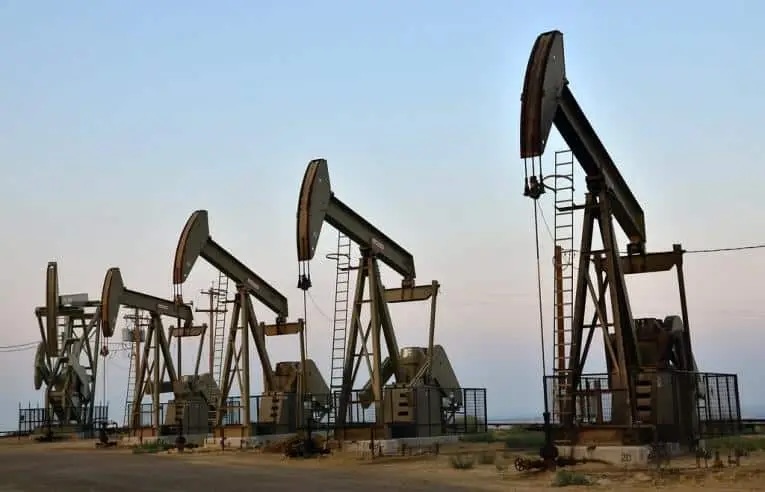
BAKERSFIELD, Calif.— The oil industry sued to overturn California’s fracking ban, and a Kern County judge’s tentative ruling now puts one of the state’s most important environmental justice victories at risk. Chevron, Aera Energy and the Western States Petroleum Association are asking the courts to wipe out a protection that frontline communities fought for years to win. Environmental justice, health, Indigenous and climate organizations from across California are demanding that Gov. Gavin Newsom and the California Geologic Energy Management Division (CalGEM) defend it.
The tentative decision, issued October 8, finds that CalGEM’s 2021–2024 practice of denying every fracking permit was unlawful and that the 2024 regulation is invalid because the state’s rulemaking record did not adequately support it. If finalized, it would send denied and pending permit applications back to CalGEM for individualized review. The court did not order any permits issued and did not decide whether the state can ban fracking through a properly supported regulation.
“The fracking ban finally gave protection to the families in Kern County who have lived next to wells that for decades have poisoned our air and threatened our water,” said Cesar Aguirre, Director of Air and Climate Justice Campaign at the Central California Environmental Justice Network. “This ruling hands that protection back to the oil companies. The fracking ban was a sign showing that California was ready to stop treating our communities as sacrifice zones. The price of big oil using the Courts to undo progress is paid for with the health of our children and communities.”
The science on fracking is not in doubt. Fracking uses toxic chemicals, including benzene and formaldehyde, that are known to cause cancer, and the industry has used “trade secret” claims to hide the identities of others. It releases smog-forming pollutants, fine particles and hydrogen sulfide into the air that nearby families breathe.
In California, a 2021 study of nearly 980,000 births found that fracking within about half a mile of a mother’s home was linked to higher rates of low birth weight, preterm birth and small-for-gestational-age babies. Other research ties living near fracking to asthma attacks and hospitalizations, heart disease hospitalizations and early death among older adults. A 2022 study in Pennsylvania found a two- to three-fold increase in leukemia among children who lived near a fracking well during their mothers’ pregnancies or early in life.
“California’s fracking ban is a critical public health and environmental protection grounded in years of scientific evidence,” said Gabriela Facio, Policy Strategist at Sierra Club California. “This ruling comes right after recently extended permitting for oil and gas extraction, which will have significant consequences for frontline communities. These same communities will now have to face yet another added rollback that will only put their lives at a greater risk. If this ruling is finalized, the state must take action immediately to protect communities from the dangerous and polluting oil and gas industry.”
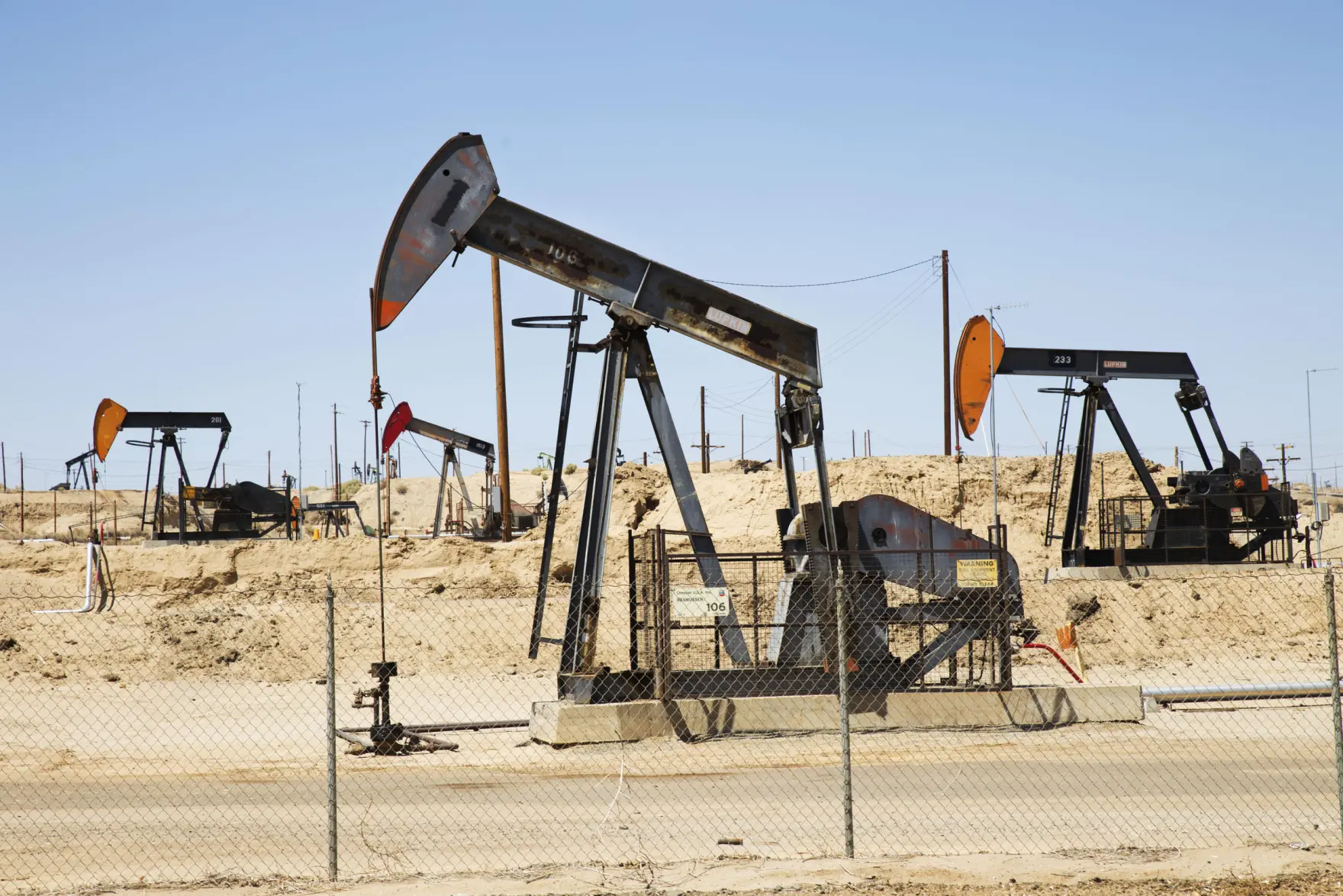
California’s conditions make the risks worse. About three-quarters of the state’s fracking was shallow, in wells less than 2,000 feet deep, and some of it was permitted directly beneath drinking water aquifers. Fracking was concentrated in already overly impacted communities, including in Kern County.
“Permitting fracking in California’s already heavily developed oil fields would be a high-risk, low-reward proposition,” said Kyle Ferrar, Western Program Director at FracTracker Alliance. “Unlike other basins, the state’s geology simply won’t yield meaningful production gains from well stimulation. Meanwhile, the dangers of groundwater contamination and surface blowouts are already mounting due to downhole communication between wells and increasingly tight well spacing—risks that would only intensify under fracking.”
According to state estimates, the ban reduces production by only about 4% over ten years, a sliver of output weighed against harms that fall hardest on communities of color already living next to wells. This is a fight over whose health comes first: families breathing the air, or oil companies counting profits.
“Governor Newsom and CalGEM have a duty to protect California’s environmental justice communities by strengthening the administrative record with scientific evidence supporting the fracking ban,” said Wilder Zeiser, Richmond Organizer at Communities for a Better Environment. “Our communities deserve protections that can withstand oil industry legal challenges.”
The organizations are urging the Governor and CalGEM to strengthen the record with the science on fracking’s harms and to act immediately to protect communities if the ruling is finalized. The tentative ruling begins a process of additional filings leading to a final decision, which is usually issued within about 50 days of the tentative order.
Members of the Last Chance Alliance and allies said the following:
“Frontline communities across California, primarily made up of communities of color, are already bearing the brunt of adverse health effects caused by oil production,” said Tanvi Kardile, Coalition Manager at VISION. “This dangerous ruling would put our communities even more at risk for the sake of corporate interests.”
“Sacred Places Institute for Indigenous Peoples opposes Hydraulic fracturing, also known as fracking which is exactly what it sounds like: breaking through rocks and soil while contaminating water with the chemicals injected into the earth,” said Jessa Calderon, Director of Environmental Health and Creative Wellness at Sacred Places Institute for Indigenous Peoples. “This process not only disturbs and contaminates water and soil, but it also causes habitat disruption, increases the chances of earthquakes, and contributes to long-term health issues in our communities. We support ending the fossil fuel economy as it stands on our ancestral homelands.”
“If this tentative decision is finalized, it’ll put fracking pollution back on the table five years after it should’ve ended,” said Kassie Siegel, director of the Center for Biological Diversity’s Climate Law Institute. “Gov. Newsom’s fracking ban is one of the most important health and environmental achievements in California’s history and it’s backed by strong science. If the judge doesn’t change his mind, the state should immediately appeal and do everything in its power to keep protecting Californians from this dangerous, dirty business.”
“Fracking is a shameful, harmful practice that puts us at risk of toxic air and water contamination – especially those who are living near this polluting infrastructure. It has no place in California’s energy future,” said Nicole Ghio, California Director at Food & Water Watch. “Instead of allowing Big Oil to push us backwards for their financial gain we must instead invest in the future Californians want: clean air, clean energy, clean water and a livable climate.”
###
LCA LAND ACKNOWLEDGEMENTWe acknowledge that Bakersfield is the traditional home of the Kitanemuk people of the Tejon Tribe. Part of our commitment to decolonizing ourselves, our language, and our organizations is a commitment to learning and better understanding the history of Indigenous Peoples of so-called California, including the history of contact, colonization and the extraction of resources from Indigenous lands which has been part of the continuation of modern colonization.