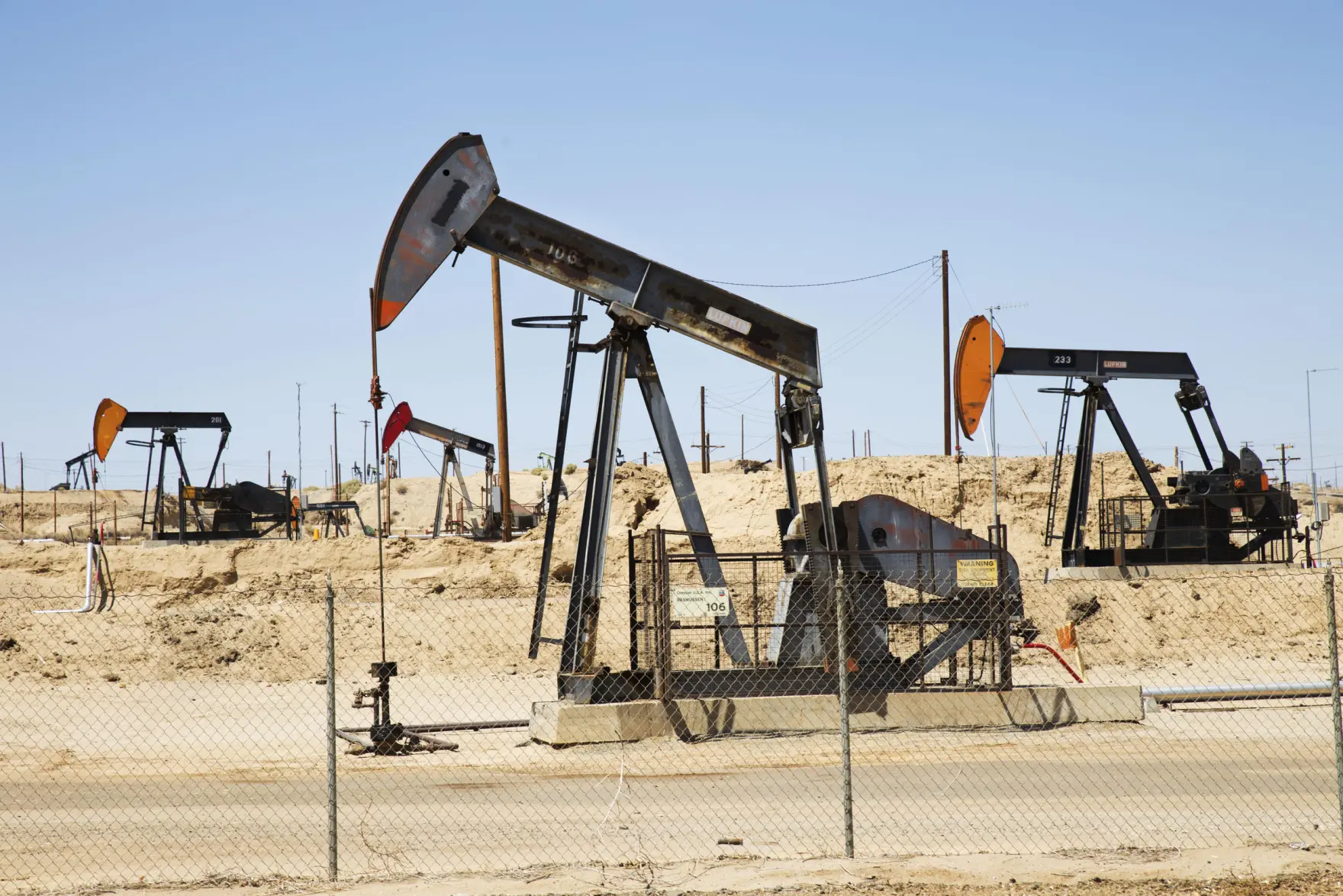

Chevron alone spent $4.9 million lobbying Sacramento in Q3 while posting a $9.9 billion quarterly profit
Sacramento, Calif. — After reporting record-breaking third-quarter profits, oil and gas companies and their trade groups reported spending $8.5 million on California state lobbying from July through September, one of the largest Q3 spending totals since 2000. This brings the total lobbying spend for 2026 thus far to $25.7 million, just shy of the $26.4 million spent over the same time period last year.
Top 5 lobbying and influence spenders of Q3:
| Company/Trade Association | Amount |
| Chevron | $4,859,181 |
| Western States Petroleum Association (WSPA) | $1,442,684 |
| Phillips 66 | $564,207 |
| Marathon Petroleum | $201,301 |
| California Resources Corporation | $161,706 |
Chevron alone accounted for 57% of the industry’s total lobbying spend for the quarter, reporting $4.9 million on lobbying costs.
Oil and gas interests poured money into defeating SB 1245 (Stern), which would have required the California Energy Commission to implement a strategy for facilitating the sale of non-California blend gasoline, with the goal of increasing access to sufficient and affordable gas. Ten oil and gas entities reported lobbying on it in the third quarter; trade associations WSPA and the California Fuels and Convenience Alliance went on the record opposing it. The lobbying worked: SB 1245 stalled in Assembly Appropriations.
Fossil fuel corporations also spent heavily lobbying against legislation aimed at increasing accountability for the industry and protecting refinery workers and communities as California transitions away from fossil fuels. These included SB 1259 (Blakespear), which would have required refineries to disclose estimated costs and plans for decommissioning and cleaning up their facilities, and AB 605 (Muratsuchi), which would have established a Refinery Safe Staffing Task Force to develop strategies for retaining refinery workers, addressing safety risks associated with understaffing, and supporting workers displaced by refinery closures.
SB 1259 was moved to the inactive file after facing strong industry opposition, while AB 605 passed the Legislature, but was vetoed by the governor.
“This year, we’ve seen Big Oil spend a small fortune to defeat common sense regulation, pleading tight margins even as they reap billions in wartime profits. SB 1259 would have required fossil fuel billionaires to disclose the true cost of cleaning up toxic refinery sites after closure,” said Faraz Rizvi, Campaign and Policy Manager, Asian Pacific Environmental Network, “But Chevron, Phillips 66, Marathon and others prefer that California taxpayers front the bill for cleanup — even while these major refiners collect windfall bonuses. We hope that a new class of legislators and governor can see through the smoke and mirrors and take on these big oil grifters.”
Lobbyists also targeted AB 2157 (Connolly), which extended the Displaced Oil and Gas Worker Pilot Program by eliminating its July 2027 sunset date. Unlike the other measures, AB 2157 passed the Legislature and was signed into law despite industry opposition, preserving a pathway for workforce development and support for workers displaced from the oil and gas industry.
California Resources Corporation (CRC), WSPA, and Oxy Low Carbon Ventures all lobbied the California Air Resources Board (CARB) on carbon capture and storage (CCS). CRC recently launched its Carbon TerraVault I project in Kern County, California’s first operational CCS project, but a California court recently ruled in favor of community groups, determining the project violated climate policy, halting the project until CRC can comply with the state’s environmental law. Advocates have challenged CCS technologies as another method of delay from fossil fuel corporations, pointing to a history of shortfalls and dangerous methane leaks.
Major lobbying spending coincides with massive profit reports from oil and gas companies. Recurring top lobbying spender Chevron reported a $9.9 billion profit for Q3, a 180% increase from the previous year’s Q3 profits. Others reported similar profit spikes, with Phillips 66 earning $5.6 billion, up from $133 million in Q3 of 2025, and Marathon Petroleum profiting $7.4 billion, more than five times its Q3 2025 profits.
Additional information on Q3 lobbying activity is available upon request.
###
Methodology: This report analyzes raw data from the California Secretary of State’s Political Reform Division as of Nov. 2, 2026. The analysis includes the lobbyist employers in the “oil and gas” category for the 2025-26 legislative session. The state’s definition of oil and gas lobbyist employers includes, in addition to traditional oil and gas firms, firms that advocate for biomass energy, compressed natural gas, and/or carbon removal.
LCA Land Acknowledgment
We acknowledge that Sacramento is the traditional home of the Maidu, Miwok and Nisenan people. Part of our commitment to decolonizing ourselves, our language, and our organizations is a commitment to learning and better understanding the history of Indigenous Peoples of so-called California, including the history of contact, colonization and the extraction of resources from Indigenous lands which has been part of the continuation of modern colonization.